
How to Wash Lace Front Wigs Properly: The Complete Guide

You've invested in a gorgeous lace front wig that makes you feel like the absolute best version of yourself. Now you need to keep it looking that way. The truth? Washing your lace front wig properly is the difference between a wig that lasts 1-2 years of flawless wear and one that starts matting, shedding, or losing its shine within months. The good news is that learning how to wash lace front wigs properly doesn't require salon expertise or expensive treatments. It just takes the right technique, a little patience, and commitment to a few non-negotiable steps.
In this article
- Why Proper Lace Front Wig Washing Matters
- How to Wash Lace Front Wigs: Step-by-Step Instructions
- Critical Drying Techniques You Can't Skip
- The Washing Schedule That Keeps Your Wig Fresh
- Products and Tools That Make a Difference
- Common Mistakes That Damage Your Lace Front Wig
- Your Wig Care Investment Starts with the Right Hair
Why Proper Lace Front Wig Washing Matters
Your lace front wig is made from premium virgin human hair that deserves premium care. Every time you wear it, your wig collects product buildup from styling sprays, dry shampoos, sweat, oils, and environmental dust. That buildup sits on the lace, the hair strands, and the knots at the base. If you don't remove it regularly and gently, several things happen: the lace becomes stiff and visible, the hair loses its natural shine and bounce, and tangling becomes inevitable.
When you wash your lace front wig using the proper method, you're not just cleaning it. You're extending its lifespan, maintaining its texture, and keeping the lace looking invisible on your skin. That's why customers who invest in premium hair from Super Weave Hair Company make wig care a priority. The investment pays off every single time you put it on.
How to Wash Lace Front Wigs: Step-by-Step Instructions
Before you run water, start with a crucial first step: detangle. Use a wide-tooth comb or your fingers to gently work through the wig from tip to root, starting at the ends. This prevents matting during the wash and makes the entire process faster and safer for your hair investment.
Step 1: Prepare Your Wash Basin
Fill a basin or sink with cool or lukewarm water. Never use hot water, even if it feels good. Hot water opens the cuticle layer of human hair and can strip away natural moisture and shine that took months to build. Cool water is your friend. Add a small amount of sulfate-free shampoo designed for human hair extensions. Regular drugstore shampoo contains harsh sulfates that dry out and dull premium hair.
Step 2: Submerge and Soak
Gently place your wig into the soapy water. Let it sit for 3-5 minutes rather than aggressively scrubbing or wringing. This soaking method allows the shampoo to work on buildup without putting mechanical stress on the hair strands or the delicate lace foundation. Think of it as a bath for your wig, not a washing machine cycle.
Step 3: Clean the Lace Frontal Gently
This is where precision matters. Take an old toothbrush reserved specifically for wig care (never reuse a toothbrush you use on your teeth). Dilute a small amount of mild dish soap like Dawn with water. Using gentle, dabbing motions, work the brush along the lace frontal area where buildup accumulates. Never scrub back and forth or apply heavy pressure. Dab, dab, dab. You're lifting away residue, not grinding it in.
The lace is delicate. Rubbing aggressively can tear it or loosen the hair knots. Many wig wearers don't realize this step is where their lace gets damaged. Patience here saves you months of wear.
Step 4: Rinse Thoroughly in Cool Water
This step separates casual wig care from proper care. Rinse your wig under cool running water or in a fresh basin until the water runs completely clear. Any leftover shampoo residue will dull your hair and make it look dry. Keep rinsing until you see no more soap in the water. Most people skip this step or don't do it long enough, and that's why their wigs lose shine.
Step 5: Condition for Hydration and Manageability
Apply a hydrating conditioner from mid-shaft to the ends. Leave it on for 2-3 minutes. This is essential for locking in moisture and keeping your hair soft and tangle-free. Rinse the conditioner out with cool water until it's completely gone. Conditioner residue is just as damaging as shampoo residue.
Critical Drying Techniques You Can't Skip
How you dry your wig matters as much as how you wash it. After your final rinse, gently squeeze out excess water by blotting with a microfiber towel. Never wring or twist your wig like you're wringing out a dish towel. That action damages hair strands and loosens knots on the lace.
Place your wig on a wig stand or mannequin head while it air dries. This allows water to drip away naturally without the weight of wet hair pulling on the lace foundation. Air drying takes longer than heat drying, but it's the only way to protect your investment long-term. If you absolutely must speed up drying, use a blow dryer on the cool setting only, held at least 6 inches away from the wig.
Never sleep on a wet wig. Never stuff a wet wig in a wig cap or storage bag. Moisture trapped against the lace and hair creates mildew, odor, and mold. Wait until your wig is completely dry before storage.
The Washing Schedule That Keeps Your Wig Fresh
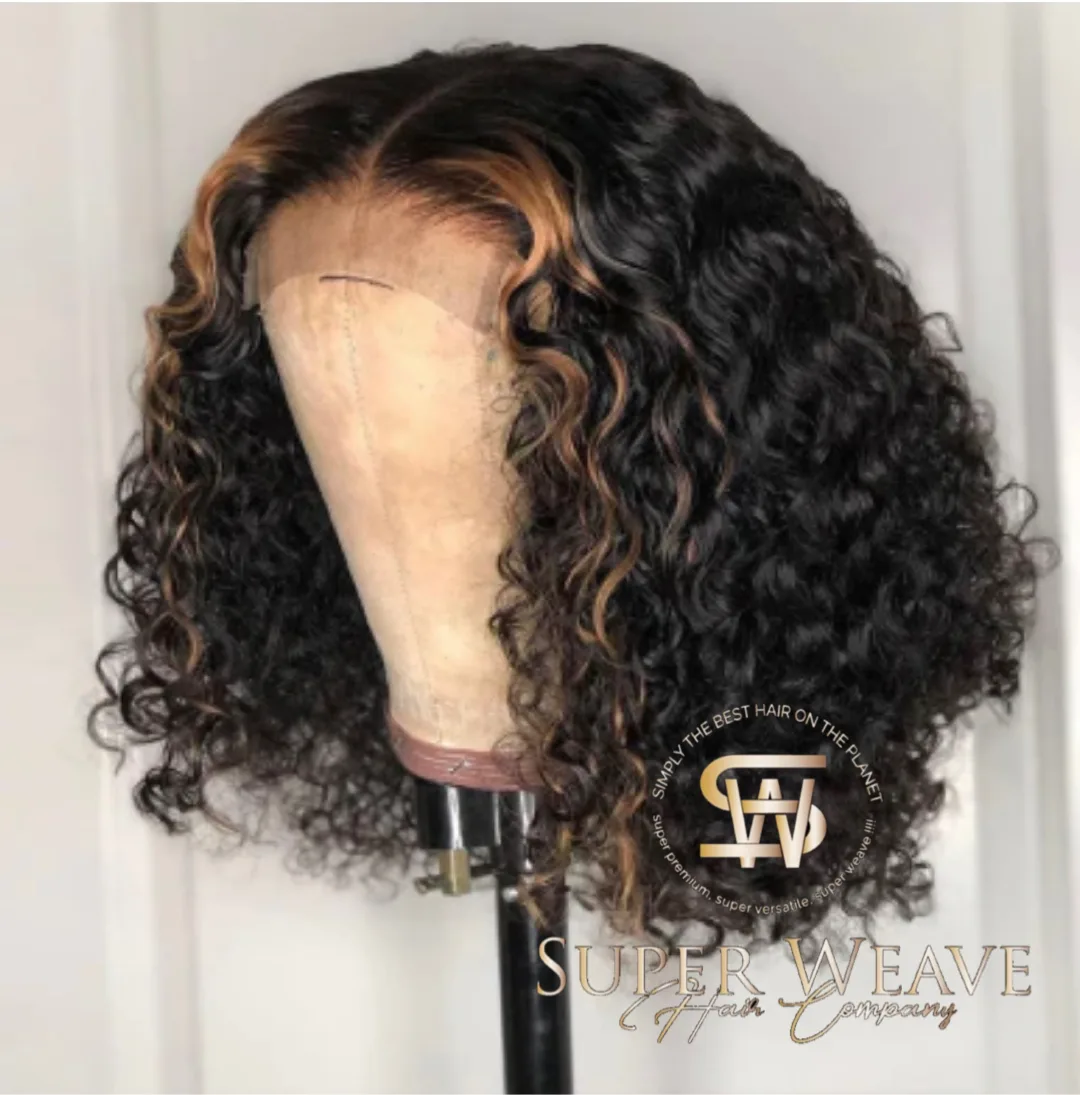
How often should you wash your lace front wig? If you wear it daily, wash it every 1-2 weeks. If you wear it 2-3 times per week, every 2-3 weeks is fine. If you wear it occasionally, monthly washing is sufficient. The key is not letting buildup accumulate to the point where the lace looks cloudy or the hair feels stiff.
Between washes, use a wig-safe dry shampoo or light mist spray to freshen it up. This extends the time between full washes and keeps your wig looking fresh longer. Many of our customers at Super Weave Hair Company swear by this maintenance routine because it keeps their wigs looking showroom-ready for months.
Want the glow?
Shop the Routine →Products and Tools That Make a Difference
You don't need fancy or expensive products to wash your wig properly. Here's what actually works:
- Sulfate-free shampoo formulated for human hair (not synthetic)
- A hydrating conditioner for human hair extensions
- One old toothbrush dedicated to wig care
- A microfiber towel (regular towels create frizz)
- Cool or lukewarm water only
- A wig stand or mannequin head for drying
That's it. You don't need expensive serums, leave-in treatments, or specialized wig shampoos that cost $40 per bottle. Basic human hair care products work perfectly. The technique matters far more than the product price tag.
Common Mistakes That Damage Your Lace Front Wig
Hot water is the number one culprit. It damages hair cuticles and weakens the knots holding hair to the lace base. Stop using hot water immediately.
Skipping the pre-wash detangle is mistake number two. Matted hair trapped during washing becomes impossible to comb out afterward, and your wig looks frizzy and damaged.
Rubbing or scrubbing the lace frontal instead of dabbing is mistake number three. This is how lace gets torn and hair knots loosen. Gentle always wins.
Not rinsing completely leaves shampoo residue that accumulates with each wash, eventually coating your hair in a dull film. Rinse longer than feels necessary.
Using regular hair towels and heat drying too aggressively speeds up damage. Air drying on a stand takes patience, but it's the gold standard for longevity.
According to research from the National Center for Biotechnology Information, improper washing and heat exposure are the primary causes of premature hair deterioration in human hair extensions and wigs. Following the gentle methods outlined here directly counters those findings.
Your Wig Care Investment Starts with the Right Hair

Here's the reality: no washing technique can overcome poor quality hair. If you start with low-quality, processed, or heavily treated hair, even perfect care won't extend its lifespan or keep it looking fresh. That's why the hair you choose matters as much as how you care for it.
Premium virgin Brazilian human hair from Super Weave Hair Company is designed to last 1-2 years with proper care. The hair is unprocessed, ethically sourced, and never bleached or chemically treated. When you combine premium hair with the washing method outlined here, you get results that last. Customers consistently report that their wigs look and feel exactly like they did on day one, even after months of regular wear.
Whether you're investing in Lace Front Wigs, Deep Wave Bundles, or Loose Wave extensions, the washing technique is your responsibility. Give your hair the care it deserves, and it will reward you with beauty and longevity that turns heads.
How often should I wash my lace front wig?
If you wear your wig daily, wash it every 1-2 weeks. For 2-3 times per week wear, every 2-3 weeks is ideal. For occasional wear, monthly is sufficient. The goal is preventing buildup without over-washing, which can dry out the hair. Always wash when the wig starts looking dull or feels product-heavy.
Can I use regular shampoo on my lace front wig?
Regular drugstore shampoo contains sulfates that strip moisture and natural shine from human hair. Always use sulfate-free shampoo formulated for human hair extensions. The price difference is minimal, but the results are massive. Your wig will stay softer, shinier, and tangle-free far longer.
What should I use to clean the lace frontal area?
Use an old toothbrush with diluted mild dish soap (like Dawn) and gentle dabbing motions only. Never scrub or rub the lace. The delicate lace is easily damaged by aggressive friction. A soft-bristled toothbrush reserved for wig care is ideal. Dab away buildup without applying pressure, and your lace will stay pristine.
Can I use a blow dryer on my wig?
Only on the cool setting, and only if absolutely necessary. Hold the dryer at least 6 inches away from the hair and never point it directly at the lace. Air drying on a wig stand is the best method for protecting your investment. Heat accelerates damage to human hair, especially over multiple washes and wear cycles.
Want the glow?
Shop the Routine →